Overview
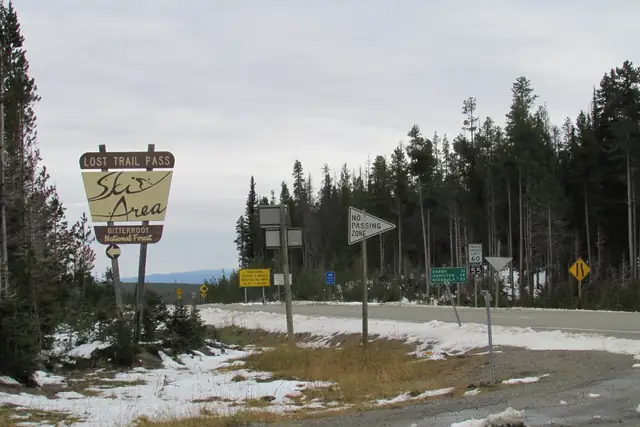
Lost Trail Ski Area sits at Lost Trail Pass on U.S. Highway 93, where the road crosses between Idaho and Montana in the Bitterroot Range. Be clear about the geography before you plan around it. The base area, the lodge, the parking lot and most of the runs are in Montana, and the ski area's mailing location is Sula, Montana. Part of the terrain, the section south of the original chairlift including Chair 2, lies in Lemhi County, Idaho. It appears in Idaho ski listings because it is the closest lift-served skiing to Salmon and the upper Salmon River country, 45 miles to the south.
The second fact that shapes any visit is the calendar. Lost Trail normally runs its lifts Thursday through Sunday and on major holidays, and it is closed Monday through Wednesday. It makes no snow. In exchange, it offers low prices, short lines, and a family-run operation that has changed little in character for decades. The area is also known as Lost Trail Powder Mountain.
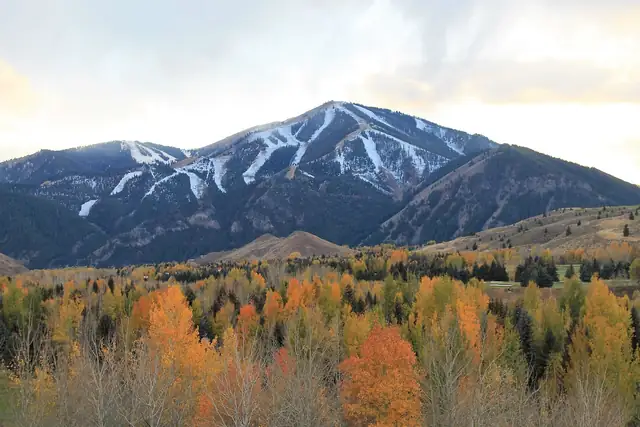
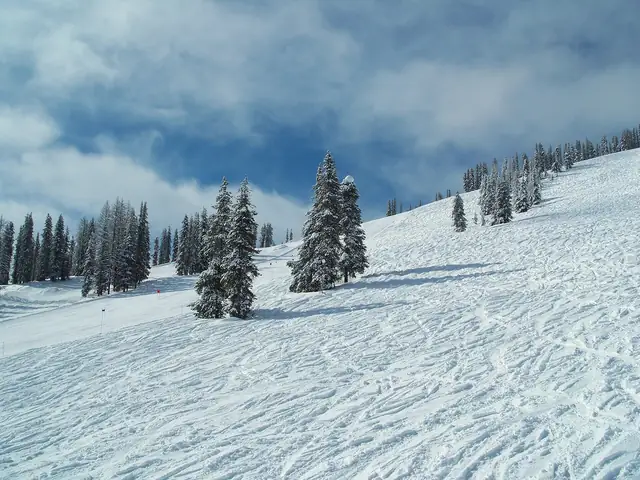
The Mountain
Lost Trail's summit on Saddle Mountain reaches 8,200 feet, and the vertical drop (the elevation difference between the summit and the lowest lift) is 1,800 feet. The main base sits at about 7,000 feet, which is high for the northern Rockies and helps preserve snow quality. Average snowfall is widely cited at more than 300 inches a year, all of it natural.
Acreage figures conflict. The ski area's partners publish 1,800 skiable acres, while at least one independent reference lists about 900. Either way, it is a mid-sized mountain that skis larger than its lift count suggests.
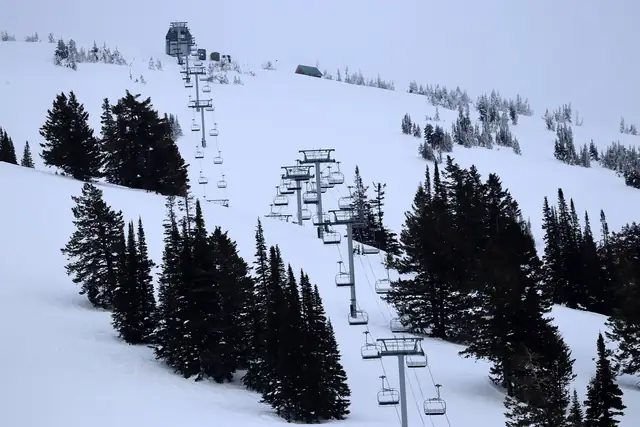
- Lifts: five double chairlifts and three rope tows. All are slow, fixed-grip lifts.
- Trails: more than 60 marked runs, with the current count at 69, plus two terrain parks.
- Difficulty: roughly 20 percent beginner, 60 percent intermediate and 20 percent advanced.
- Layout: the original Chairs 1 and 2 rise from the main base along the state line. Chairs 3 and 4, added around the early 2000s, extended the area onto Saddle Mountain on the Montana side and raised the vertical from 1,200 to 1,800 feet.
There is no night skiing. The Monday to Wednesday closure produces what regulars call Powder Thursday: after a storm cycle, several days of snow can accumulate untouched before the lifts reopen.
Who It Suits, and Who It Does Not
Lost Trail suits intermediate skiers and families who value space and snow over speed and services. It suits powder skiers who can travel on a Thursday. It suits residents of Salmon and the Bitterroot Valley, for whom it is the home hill, and Indy Pass holders looking for an uncrowded stop between larger resorts.
It does not suit several kinds of traveler.
- Anyone planning a midweek trip: arriving on a Monday, Tuesday or Wednesday means finding the lifts closed. This is the most common mistake.
- Visitors who want lodging at the mountain: there is none. This is a day area with a base lodge and food service.
- Skiers who want an Idaho resort experience: the base is in Montana and the nearest sizable Idaho town is 45 miles away. For a full-service Idaho destination, Sun Valley is the better fit.
- Those who need guaranteed coverage: with no snowmaking, early and late season depend on the weather. The 2025-26 season had ended by late March.
Tickets and Passes
Lost Trail is a partner on the Indy Pass, the multi-resort pass built around independent ski areas, and its own site states that Indy holders face no blackout dates and need no reservation. The ski area also sells its own season pass, day tickets and a multi-day shareable pass, and it is listed among Powder Alliance resorts, a reciprocal program that gives qualifying season passholders free days at other member mountains. It is not on the Ikon, Epic or Mountain Collective passes.
Day tickets are inexpensive by regional standards. Season passes cost least during the preseason sale. Because the schedule is described as subject to change, check the Lost Trail snow report for operating days and the opening date, which had not been announced for 2026-27 when this page was researched.
Lodging and Where to Stay
With no slopeside lodging, visitors choose a side of the pass.
- Idaho side: Salmon, 45 miles south, has the widest choice of motels, restaurants and services. The small communities of Gibbonsville and North Fork lie along U.S. 93 between Salmon and the pass.
- Montana side: Sula and Darby are the nearest communities, and Hamilton, about 50 miles north, is the main service town of the Bitterroot Valley.
The ski area's website lists nearby lodging partners. Given the schedule, a Thursday to Sunday stay is the natural shape for a trip.
Getting There
U.S. Highway 93 is the only practical approach. From Salmon, drive north through North Fork and Gibbonsville and climb to the pass; the ski area entrance is at the top, just across the Montana line. From Missoula, drive south through Hamilton and Darby; the trip takes a little under two hours. The junction with Montana Highway 43 toward Chief Joseph Pass and the Big Hole Valley is at the same summit.
The pass is a high mountain road and is often snow-packed on the days when the skiing is best. Carry winter tires or chains, and allow extra time. Missoula has the nearest airport with regular commercial service. From Boise or Idaho Falls, the drive is long enough that Lost Trail makes sense only as part of a wider trip through the Salmon country.
History
Lost Trail opened in 1938, which makes it one of the older ski areas in the region. The pass takes its name from the Lewis and Clark expedition, which lost its route on the Idaho side while crossing here in September 1805.
Bill Grasser bought the ski area in 1967, at first with a partner, and ran it for decades with a deliberate emphasis on affordable family skiing. He died in 2015. His children, Scott and Judy Grasser, have continued to operate it. The largest change in that time was the expansion onto Saddle Mountain, completed in 2003, which lifted the summit from 7,800 to 8,200 feet.
Frequently asked questions
Is Lost Trail ski resort in Idaho or Montana?
Mostly Montana. The base area and most runs are in Ravalli County, Montana, near Sula, while the terrain south of Chair 1, including Chair 2, is in Lemhi County, Idaho.
What days is Lost Trail open?
Lost Trail normally operates Thursday through Sunday plus major holidays, and is closed Monday through Wednesday. Confirm the schedule on the resort's snow report, since it can change.
How far is Lost Trail from Salmon, Idaho?
About 45 miles north on U.S. Highway 93. It is about 50 miles south of Hamilton, Montana, and a little under two hours from Missoula.
Is Lost Trail on the Indy Pass?
Yes. Lost Trail is an Indy Pass partner with no blackout dates, according to its Indy Pass page. It is not on Ikon, Epic or Mountain Collective.
How big is Lost Trail Ski Area?
It has an 1,800-foot vertical drop, an 8,200-foot summit, five double chairlifts and more than 60 trails. Acreage is published as 1,800 acres by the ski area's partners, though some references list about 900.
Does Lost Trail have lodging or night skiing?
No to both. It is a day-use area; visitors stay in Salmon or along U.S. 93 in Idaho, or in Sula, Darby or Hamilton in Montana.