Overview
Redfish Lake Lodge is a log lodge, cabin colony and marina on the north shore of Redfish Lake, about five miles south of Stanley in the Sawtooth National Recreation Area. It operates in the warm months only. As of November 2026 the lodge and marina are closed for the season, the reservations office reopens on December 1, and dates for summer 2027 have not yet been published.
That seasonal fact is the first thing to understand, because searches for a "Stanley Idaho resort" or a "Redfish Lake resort" lead here in every month of the year. From roughly late May until early or mid October, this is the center of summer life in the Sawtooth Valley. For the rest of the year, the lodge, cabins and marina are shut.
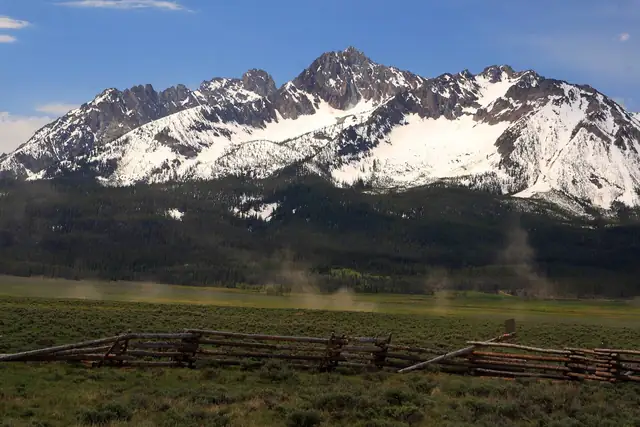
The setting explains the demand. Redfish is the largest lake in the recreation area, about four and a half miles long, 387 feet deep and 6,547 feet above sea level, with Mount Heyburn and the Grand Mogul rising directly from its far end. The lodge occupies the one developed stretch of shoreline, on national forest land under a special use permit from the U.S. Forest Service.
The Water and the Marina
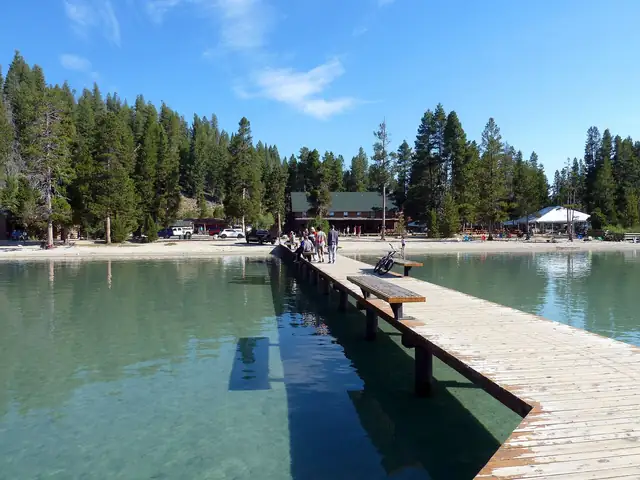
The marina is as much a reason to come as the lodging, and most of it is open to the public, not only to overnight guests.
The hiker shuttle boat
The best-known service is the shuttle boat that crosses the lake from the lodge dock to Redfish Inlet Trailhead at the southern end. The crossing replaces a walk along the lakeshore ridge and saves up to six miles each way. That turns destinations deep in the Sawtooth Wilderness, such as the lakes and granite walls of the upper Redfish Lake Creek drainage, into reasonable day hikes.
How it works matters:
- Outbound boats do not take reservations. Hikers walk up to the marina, and a boat leaves when four or more passengers are ready, or shortly before a set of scheduled times.
- Return pickups from the inlet run at fixed times of day. In peak season, which the marina defines as Father's Day through Labor Day, there are several. In the quieter weeks of late spring and fall, only the first and last pickups are guaranteed, and midday returns must be arranged ahead.
- Fares are charged per person, one way or round trip, with reduced fares for small children and a fee for dogs.
- The shuttle ran daily until mid-October in 2026.
The common mistake is to miss the last boat. A hiker who does faces the extra miles back along the lake at dusk. Carry a headlamp and know the final pickup time before leaving the dock.
Rentals and tours
- Pontoon boats for 10 or 14 passengers, reserved in advance in blocks of two, four or eight hours
- Small outboard motorboats and a touring boat, rented on demand
- Single and double kayaks, canoes, stand-up paddleboards and paddle boats
- A narrated lake tour, sunset cruises and overnight dock slips
Pontoon rates are higher in the peak weeks from mid-June to Labor Day than in the shoulder weeks on either side, and midsummer weekends sell out.
Lodging: Cabins, Rooms and What to Expect
Accommodation is deliberately simple. Robert Limbert began the log lodge in 1929, and the property has kept much of the character of that era.
- Cabins: rustic standalone and duplex cabins sleeping roughly four to eight people. These are the units families and groups want, and they are the hardest to get.
- Suites and motel rooms: more conventional rooms in separate buildings, sleeping two to four.
- Lodge rooms: rooms in the historic main building, also for two to four. The lodge presents these as its budget option.
All of it is within a short walk of the beach, the marina and the dining room. Rooms have no televisions or alarm clocks, by choice. Wireless internet is available around the lodge, and cell coverage on the grounds depends on the carrier.
Guests who expect a modern hotel room with every convenience are likely to be disappointed. The appeal is the location and the old-fashioned summer-camp atmosphere, not the finish of the rooms.
Demand exceeds supply in July and August, and peak-season stays generally need to be reserved well ahead. Flexible travelers do better in June or September, when rates and crowds are both lower.
Sister properties in Stanley
The same company operates three properties in Stanley that it markets as year-round: Triangle C Cabins, with 12 standalone cabins; the Stanley High Country Inn in the center of town; and the Redfish Riverside Inn on the Salmon River. They are the practical alternative when the lodge is full or closed. Mountain Village Resort is the other main lodging option in town.
Dining and Activities
The lodge has three places to eat and drink: Limbert's, the sit-down dining room; the Rustic Lounge, for cocktails; and the Lakeside Grill, an outdoor counter near the beach for casual food and ice cream. Its Music on the Lawn series brings live performances to the grass in front of the lodge in summer and draws day visitors and campers as well as guests. The lodge also schedules yoga on the lawn, hosts weddings and holds a running race around Memorial Day.
Beyond the lodge itself, the Forest Service lists a visitor center, horseback stables, swimming beaches, a public boat ramp at Sandy Beach and picnic areas around the lake. Fishing, paddling and swimming fill most days. The water is snowmelt and stays cold well into July.
Who It Suits, and Who It Does Not
It suits:
- Families who want a traditional lake vacation: a beach, a boat, a cabin and ice cream.
- Hikers and backpackers using the shuttle to reach the Sawtooth Wilderness.
- Multi-generation groups, since the flat lakeshore and the pontoon boats work for all ages.
- Day visitors from Stanley or Sun Valley who want lunch, a paddle and the view.
It does not suit:
- Winter travelers. The lodge is closed, and Stanley is among the coldest places in the lower 48 states.
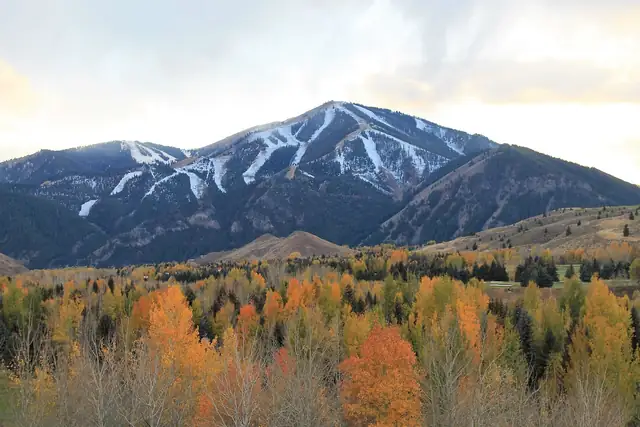
- Visitors seeking luxury. Sun Valley, over Galena Summit to the south, is the nearer choice for high-end rooms and service.
- Those who want solitude in peak season. The lodge area is crowded on July and August weekends, and day-use parking is in heavy demand.
- Last-minute planners in midsummer.
Camping and Other Ways to Stay at the Lake
The lodge is not the only way to sleep at Redfish. The Forest Service manages a ring of campgrounds around Redfish and Little Redfish lakes. Glacier View, Sunny Gulch, Outlet and Point campgrounds take reservations through Recreation.gov. Chinook Bay, Mountain View, Mt. Heyburn and Sockeye are first come, first served, as is the small boat-in or walk-in campground at Redfish Inlet. Showers, fuel and a dump station operate commercially near the entrance road in season.
Campers can use the lodge's restaurants, marina and shuttle like anyone else, which makes a campsite the lower-cost way to have most of the same trip. The Sawtooth National Forest's Redfish Lake Recreation Complex page lists each site.
Getting There
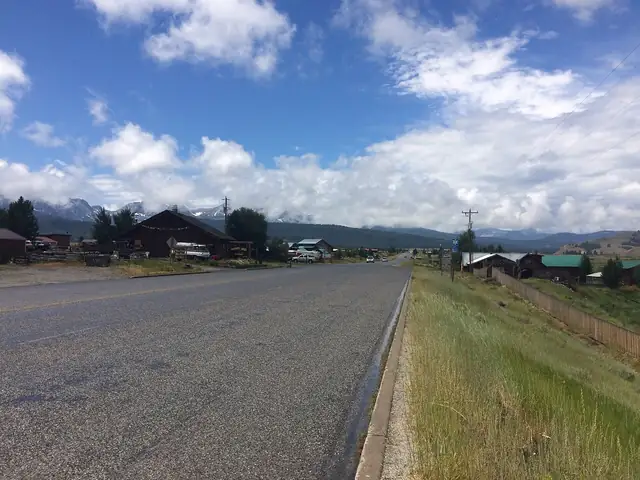
Redfish Lake lies just west of Idaho State Highway 75, about five miles south of Stanley. A short paved side road leads to the lodge. From Sun Valley and Ketchum, the drive north over Galena Summit takes a little over an hour. From Boise, the usual route follows Highway 21 through Idaho City and Lowman and takes about three hours. There is no scheduled airline service to Stanley; Boise and the Sun Valley area have the nearest commercial airports.
Fuel and groceries are limited and expensive in the valley, so fill up and shop before arriving.
When to Go
The operating season is short, and each part of it is different.
- Late May to mid-June: the lodge reopens. Nights are cold, high trails still hold snow, and the marina runs on shorter hours. Rates and crowds are at their lowest.
- Mid-June through Labor Day: peak season. Everything is open, the shuttle runs most frequently, and lodging is hardest to find. Late-summer wildfire smoke is possible in some years.
- September to closing: the favorite of many repeat visitors. Days are clear, the crowds thin, and services taper until the lodge closes in early to mid October.
Opening and closing dates shift each year with weather and staffing. In 2026 the marina's rental season ran from May 19 to October 10. Confirm current dates on the Redfish Lake Lodge website before making plans.
Frequently asked questions
Is Redfish Lake Lodge open year-round?
No. The lodge and marina operate in summer only, roughly from late May to early or mid October. It is closed for the winter of 2026-27, and its reservations office reopens December 1, 2026.
Is there a Redfish Lake resort in Idaho?
Redfish Lake Lodge is the only lodging on the lake and is what most people mean by the Redfish Lake resort. It offers cabins, lodge and motel rooms, restaurants and a marina, in a rustic style.
How far is Redfish Lake Lodge from Stanley, Idaho?
The lake is about five miles south of Stanley off Highway 75, a drive of about ten minutes. The lodge's operator also runs three lodging properties in Stanley itself.
How does the Redfish Lake shuttle boat work?
The boat runs from the lodge marina to Redfish Inlet Trailhead at the far end of the lake, saving up to six miles of walking each way. Outbound trips need no reservation and leave when enough passengers gather; return pickups run at set times.
Do you have to stay at the lodge to use the marina?
No. Boat rentals, lake tours, the hiker shuttle and the restaurants are open to day visitors and campers as well as lodge guests.
Where can you stay near Redfish Lake when the lodge is closed or full?
Stanley, five miles north, has lodging that operates beyond the summer season, including the lodge's sister properties and Mountain Village Resort. In summer, Forest Service campgrounds around the lake are the other option.