Overview
Island Park is less a town than a corridor. The city was incorporated in 1947 by lodge and resort owners along U.S. Highway 20, and its limits follow the road for about 33 miles while staying only a few hundred feet wide in most places, which is the basis of its claim to the longest main street anywhere. The 2020 census counted 193 residents. The elevation is about 6,300 feet, and most of the community lies on the floor of the Henrys Fork Caldera, a broad volcanic basin left by the Yellowstone hotspot.
That geography explains the visit. There is no downtown to stroll. Lodging, restaurants, fly shops and rental outfits are scattered among lodgepole pine along the highway, in clusters at places such as Last Chance, Ponds Lodge, Macks Inn and Henrys Lake. A car is essential in summer, and in winter many visitors travel by snowmobile.
Island Park has two distinct identities. In winter it is one of the best-known snowmobile destinations in the West. From late spring to fall it is a fishing center and a lower-key alternative to West Yellowstone, Montana, for visiting Yellowstone National Park, whose west entrance is about 29 miles and roughly 30 minutes away.
Resorts and Lodging
Resort is used loosely in Island Park. Nothing here resembles a destination hotel with a spa and concierge. The lodging falls into five types.
- Condominium resort: The Timbers at Island Park Village Resort offers two-bedroom condominiums with full kitchens and fireplaces beside a nine-hole golf course, about 22 miles from the park entrance. It suits families and groups who want space and the ability to cook.
- Hotel and RV resort: Sawtelle Mountain Resort combines hotel rooms, cabins, a bunkhouse, and RV and tent sites, with an indoor pool and hot tubs. Trailer parking and nearby trail access make it a common base for snowmobile groups.
- Fishing lodges: Properties on or near the Henrys Fork, among them Angler's Lodge and the lodging attached to fly shops at Last Chance, cater to anglers and tend to fill around the major insect hatches. A branded hotel, SpringHill Suites by Marriott, also sits on the river.
- Cabins and vacation homes: The largest category by far. Quality ranges from basic to large and well finished. Check the plowing and access arrangements for any winter rental; some are reachable only over snow.
- State park and public lodging: Harriman State Park rents yurts and historic ranch buildings, and Henrys Lake State Park has campsites and a few cabins. Guest ranches and Forest Service campgrounds fill out the list.
Cost follows the calendar. Midsummer and the winter holiday weeks are the expensive periods, spring and late fall are the cheap ones, and many properties set minimum stays at peak times. Compared with West Yellowstone, Island Park generally offers more space for the money in exchange for a longer drive to the park.
Winter: Snowmobiling First
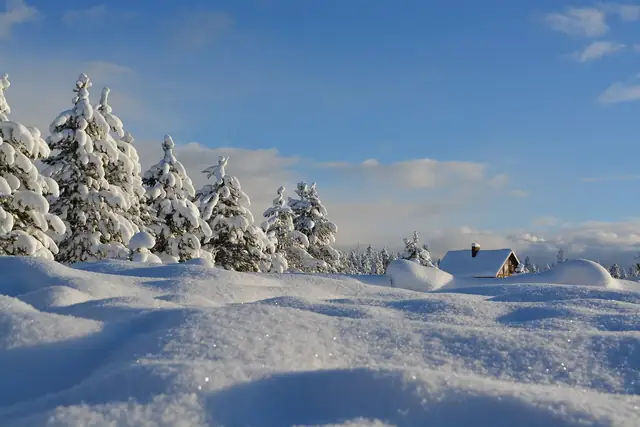
Snow is reliable. Climate records for Island Park Dam show average annual snowfall well above 200 inches, and Idaho's all-time record low, 60 degrees below zero Fahrenheit, was recorded there in 1943. Riders should plan for deep cold as well as deep powder.
How many miles of trail are there? Published figures disagree, largely because they count different areas. Visit Idaho cites more than 950 miles of groomed trail for the Island Park area, a total that reaches to West Yellowstone. The local chamber of commerce cites more than 600 miles, and other local sources say only hundreds of groomed miles. The safe reading is that the groomed network runs to several hundred miles in Fremont County and links to more in Montana, far more than any visitor will cover in a week.
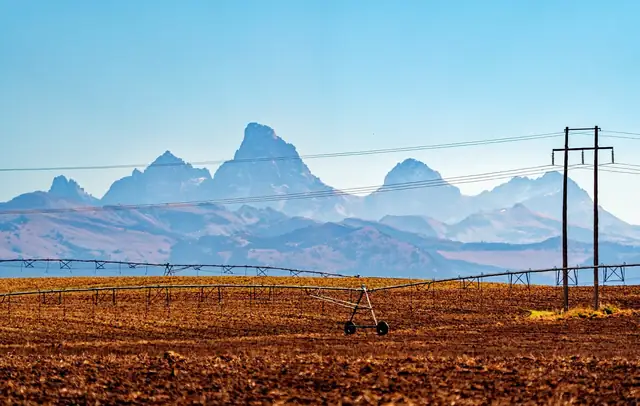
Well-known routes include the Two Top trail, with views toward the Tetons and Yellowstone, the groomed Mesa Falls byway to the frozen falls, and the Lionhead area, which is steep terrain for experienced riders only. Off-trail riding in the high country carries real avalanche risk; check the regional avalanche forecast and carry rescue gear. Idaho requires snowmobiles to be registered with the state, and groomed trails carry a 45 mph limit.
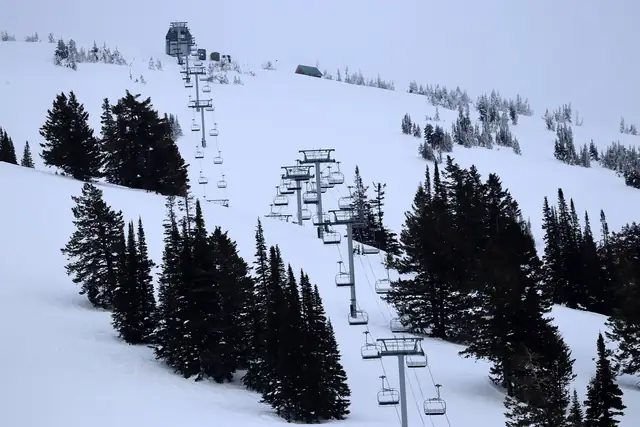
Non-riders have fewer choices. Harriman State Park grooms Nordic ski trails, more than 30 miles by the state's count, and allows snowshoeing and fat biking with a winter access pass. Henrys Lake draws ice anglers. There is no lift-served ski area in Island Park, so downhill skiers should look to Grand Targhee or Kelly Canyon instead.
One frequent mistake is assuming Yellowstone is drivable in winter from this side. Most park roads close to regular vehicles from early November to late April. From mid-December to mid-March the west entrance is open only to commercially guided snowcoaches and snowmobiles, which depart from West Yellowstone.
Summer: Fishing, Parks and Waterfalls
Henrys Fork fly fishing
The Henrys Fork of the Snake River is one of the most famous trout streams in the country, and Island Park holds its headwaters. Different reaches fish very differently. The Box Canyon below Island Park Dam is fast water usually fished from a drift boat. The eight miles through Harriman State Park, known to anglers as the Ranch, is slow, clear, technical dry-fly water that traditionally opens in mid-June and humbles beginners. Novices get far more from a guided day than from wading the Ranch alone.
Henrys Lake
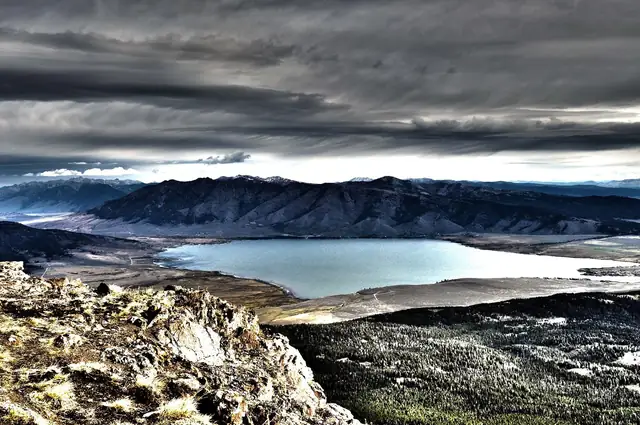
Henrys Lake covers about 6,000 acres at 6,470 feet near the Montana line. It is known for large cutthroat, brook and cutthroat-rainbow hybrid trout. Henrys Lake State Park, on the southeast shore, has 83 serviced campsites and three cabins and lies about 15 miles from Yellowstone. The lake is exposed and windy; it is a fishing lake more than a swimming one.
Harriman State Park
Harriman is an 11,000-acre former cattle ranch and private retreat, owned by Union Pacific investors including the Harriman family from 1902 until it was given to Idaho; it opened to the public in 1982. It sits inside a wildlife refuge, has about 22 miles of trails for hiking, biking and riding, and is a dependable place to see trumpeter swans.
Mesa Falls and Big Springs
Upper Mesa Falls, where the Henrys Fork drops about 114 feet across a 200-foot-wide ledge, is reached by the Mesa Falls Scenic Byway, which leaves Highway 20 and rejoins the highway system at Ashton. The Forest Service runs a visitor center at the upper falls, and Lower Mesa Falls is viewed from an overlook downstream. Big Springs, a National Natural Landmark, releases more than 120 million gallons a day and is a principal source of the river; visitors watch large trout from the bridge, where fishing is prohibited, and tour the 1929 Johnny Sack Cabin.
Island Park Reservoir adds boating, and a wide network of forest roads is open to ATVs and side-by-sides.
Island Park as a Yellowstone Base
The case for staying here is space and price. A cabin in the trees with a kitchen and a fire ring is easier to find in Island Park than in West Yellowstone, and evenings are quieter.
The case against is time. Half an hour to the entrance gate is only the start: Old Faithful and the Grand Canyon of the Yellowstone are each a long drive beyond it, and summer queues at the west entrance add more. Visitors who plan to spend every day deep in the park will spend many hours in the car. Island Park works best for trips that split time between the park and Idaho's own attractions, or for travelers who start early.
Getting There
U.S. Highway 20 is the only main road. It climbs from Idaho Falls through Rexburg and Ashton onto the caldera, crosses Island Park from south to north, and continues over Targhee Pass to West Yellowstone. Idaho Highway 87 branches off near Henrys Lake toward Ennis, Montana.
Idaho Falls Regional Airport is the practical year-round airport. West Yellowstone's small airport is closer but operates only from about May to mid-October, and Bozeman is a further option to the north. A rental car is necessary from any of them.
Highway 20 is plowed all winter but is often snow-packed and windblown, particularly on the Ashton Hill grade. The Mesa Falls byway is not plowed and becomes a groomed snowmobile route. Carry winter tires or chains, and expect wildlife on the road at dawn and dusk in every season.
Who It Suits
Island Park suits snowmobilers of every level, fly anglers, families who want a cabin and outdoor days over hotel amenities, and Yellowstone visitors willing to trade drive time for room and quiet.
It does not suit travelers who want to walk to dinner, shop, or go without a vehicle. It is the wrong base for downhill skiing, and a weak one for a short Yellowstone trip focused on the park's interior. Those who want resort services, such as a staffed spa or fine dining on site, will be better served by the Teton Valley, Sun Valley or the lake resorts of northern Idaho.
For current trail grooming, maps and business listings, the Island Park Area Chamber of Commerce is the local source. State park lodging and passes are handled by the Idaho Department of Parks and Recreation.
Frequently asked questions
Is there a resort in Island Park, Idaho?
Yes, several properties use the name, but they are lodges, condominium complexes and RV resorts, not full-service destination hotels. The best known are Island Park Village Resort and Sawtelle Mountain Resort.
What is Island Park Village Resort?
It is a condominium-style resort, marketed as The Timbers at Island Park Village Resort, with two-bedroom units that have full kitchens and a nine-hole golf course on the property. It is about 22 miles from Yellowstone's west entrance.
What does Sawtelle Mountain Resort in Island Park offer?
Sawtelle Mountain Resort has hotel rooms, cabins, a bunkhouse, and RV and tent sites, plus an indoor pool and hot tubs. It is popular with snowmobile and ATV groups because of trailer parking and nearby trail access.
How many miles of snowmobile trails does Island Park have?
Sources differ. Visit Idaho cites more than 950 miles of groomed trail for the wider area extending to West Yellowstone, while the local chamber cites more than 600 miles; either way it is among the largest groomed systems in the region.
How far is Island Park from Yellowstone National Park?
The west entrance at West Yellowstone, Montana, is about 29 miles, or roughly 30 minutes, from central Island Park. In winter that entrance is closed to private vehicles; the National Park Service road page lists current dates.
What is Henrys Lake known for?
Trophy trout fishing. The roughly 6,000-acre lake holds cutthroat, brook and hybrid trout, and Henrys Lake State Park on its shore provides campsites and a few cabins.
Sources
- Island Park, Idaho (Wikipedia)
- Visit Idaho: Snowmobiling, Island Park Area
- Island Park Area Chamber of Commerce
- Idaho Parks and Recreation: Harriman State Park
- Idaho Parks and Recreation: Henrys Lake State Park
- Sawtelle Mountain Resort
- Timbers at Island Park Village Resort
- National Park Service: Yellowstone Park Roads